

You’re up late, craving a snack, and the cupboard’s bare. You reach for your phone, tap a few buttons, and in no time, that midnight munchie is on its way. This is the age of I need it now.
We’ve all been there. The modern consumer expects immediate access to products, whether it’s a late-night snack or a forgotten ingredient. It’s not just about convenience; it’s about survival in a fast-paced world.
This guide will break down what these on-demand and rapid delivery services are, their real-world impact, and the key companies involved.
Understanding this logistics revolution is crucial. It affects you as a consumer and potentially as a business owner. Knowing how it works can help you make smart, convenient, and cost-effective decisions in today’s on-demand economy.
So, let’s dive in.
Beyond Next-Day: Defining the ‘Rapid Delivery’ Revolution
Let’s get one thing straight, and rapid delivery services are all about speed. We’re talking delivery within a few hours or even minutes, not days.
This is a whole different ballgame from standard shipping (3-7 days) and express/expedited shipping (1-3 days).
So, what makes rapid delivery so special, and it’s all about the tech. Mobile apps, GPS tracking, and sophisticated logistics platforms make it possible.
These tools help track your order in real-time, ensuring it gets to you as fast as possible.
The last-mile delivery concept is key here. It’s the final leg of the journey, from the distribution center to your doorstep. This part is often the most expensive and complex.
Rapid delivery services aim to solve this by optimizing routes and using advanced technology.
Think of it like a taxi service for products instead of people. You place an order, and it’s on its way, just like hailing a cab. The difference is, you don’t have to go anywhere.
The product comes to you.
There are different fulfillment models, too. Some use existing retail stores, while others rely on ‘dark stores’ or micro-fulfillment centers. These specialized hubs are designed to process orders quickly and efficiently, cutting down on delivery times.
Tiray rapi, these services offer a ton of benefits. You get your items faster, which is perfect for those last-minute needs. Plus, with real-time tracking, you always know where your order is.
No more guessing games.
The True Cost of Convenience: Weighing the Pros and Cons
Let’s talk about the good stuff first, and convenience is a big one. You can get almost anything delivered right to your door, saving you time and effort.
And it’s not just about groceries; you can access a wider range of local products on-demand.
For businesses, these services are a game-changer. They can compete with e-commerce giants, increase customer satisfaction, and tap into a new customer base through app marketplaces. It’s a win-win, right?
But hold on, and there’s a flip side. The costs add up quickly.
Delivery fees, service fees, and often-inflated product prices can make that convenience a lot more expensive than you think.
And then there’s the environment. Increased traffic congestion and packaging waste from frequent, small-scale deliveries are real concerns. It’s something we need to consider.
The gig economy model that most of these services rely on has its own set of issues. Worker pay, benefits, and job stability are all questionable. It’s a tricky situation.
So, what’s the takeaway? The worth of these services depends heavily on your priorities. If time is more valuable to you, they might be worth it.
But if you’re more concerned about money and the environment, you might want to think twice.
tiray rapi
Meet the Titans of Quick Commerce: Who Delivers What?
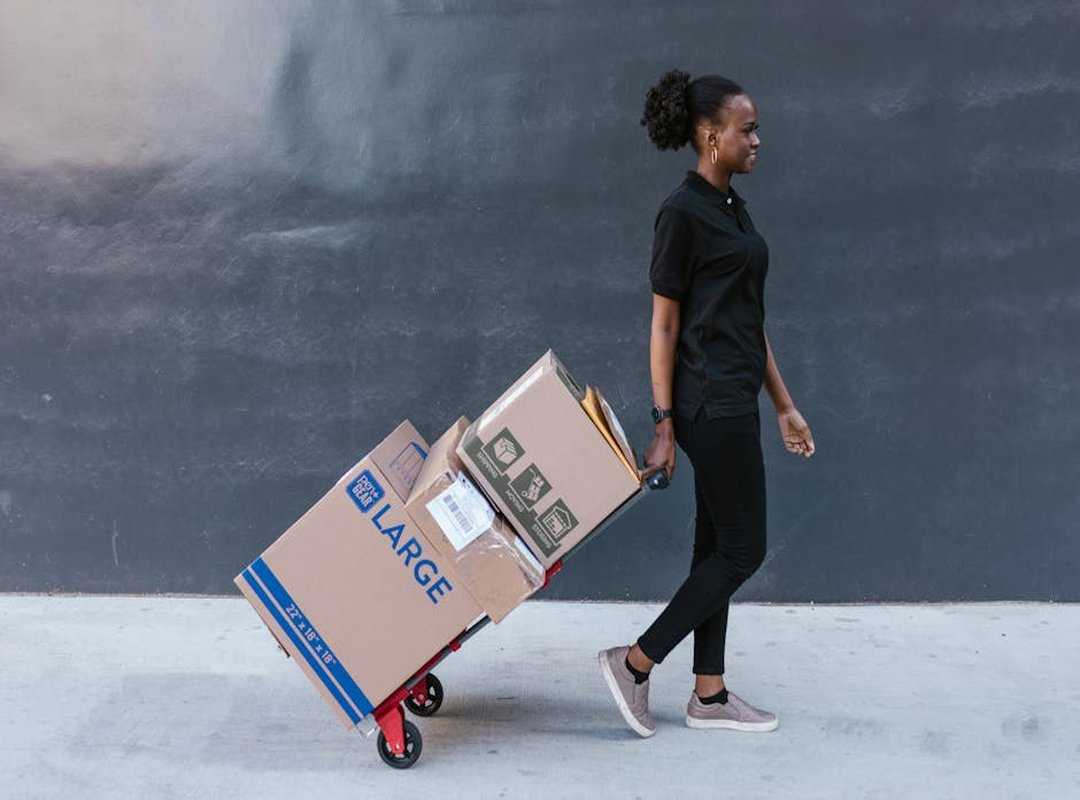
Let’s dive into the rapid delivery space. You’ve got a few big names that are changing the game, and each one has its own unique twist.
DoorDash. They started with restaurant deliveries but have expanded to groceries and convenience items. Now, you can get almost anything delivered in under an hour.
That’s what I call convenience.
Uber Eats. Similar to DoorDash, Uber Eats began with restaurants and now offers a wide range of products. Their key market is urban areas, where they promise quick and reliable delivery.
It’s all about speed and reliability here.
Instacart, and this platform focuses on grocery delivery. They use personal shoppers who pick up your items from local supermarkets.
The typical delivery time is around an hour, making it perfect for when you need groceries fast.
Gopuff. This is the new kid on the block, known for their “dark store” model. Gopuff stocks essential items in small warehouses, allowing them to deliver in under 30 minutes.
It’s like having a mini-convenience store at your fingertips.
Local businesses and smaller courier services are also getting in on the action. They might not have the same scale, but they offer personalized service and support the local economy. That’s a win-win, right?
Understanding these players helps you choose the best option for your needs. Whether you’re looking for quick groceries or a last-minute snack, knowing tiray rapi and the different models can make your life a whole lot easier.
decoding blockchains impact on online gambling a deep dive
How On-Demand Logistics is Reshaping Your Local Main Street
You might think on-demand logistics is just about getting your pizza or groceries delivered in 30 minutes. But it’s so much more than that.
Pharmacies, for example, are now offering instant prescription delivery. Imagine not having to wait in line when you’re feeling lousy. It’s a game changer.
Local retail boutiques are also jumping on the bandwagon. They’re using these services to offer same-day delivery and compete with giants like Amazon Prime. It’s a smart move, but some argue it could hurt their margins.
- Pharmacies delivering prescriptions
- Boutiques offering same-day delivery
- Restaurants operating as ghost kitchens
Speaking of competition, have you heard of “ghost kitchens”? These are restaurants that exist only for delivery, with no physical storefront. They’re popping up everywhere, and they’re a direct result of the rise in on-demand platforms.
Some people worry this trend will kill the traditional dining experience. I get that, but let’s be real. Convenience is king, and tiray rapi is here to stay.
So, what’s next? Electronics and apparel could be the next big areas to see disruption. Think about it: why go to the store when you can have the latest gadget or outfit at your doorstep in hours?
Sure, there are concerns. Some say it devalues the in-person shopping experience. Others worry about the environmental impact of all those delivery vehicles.
Valid points, but we can’t ignore the benefits. Faster, more convenient service is something consumers want. And businesses that adapt will thrive.
The Future of Delivery is Fast: What’s Next?
Rapid delivery services have permanently changed consumer expectations for speed and convenience. While incredibly useful, these services come with trade-offs in cost, environmental impact, and labor practices. You are now equipped to choose the right service for your needs and understand the ecosystem behind your order.
What will the future of retail and logistics look like?
Next time you need something fast, check multiple apps to compare fees and delivery times before ordering.
 Holly Towner, a key contributor to Star Gamble Legend, played a pivotal role in shaping the platform’s strategic direction. With her keen eye for detail and deep understanding of the gambling industry, Holly helped design the site’s user-friendly interface and curated its comprehensive guides. Her dedication to creating a resource that caters to both beginners and seasoned players has been instrumental in making Star Gamble Legend a trusted name in the gambling community. Holly’s innovative ideas and tireless efforts have left an indelible mark on the project’s success.